


As the volume of data being processed continues to grow rapidly, demand for data center construction is increasing. Organizations are looking for ways to deploy containerized data centers and other high-efficiency data center solutions quickly and cost-effectively. Prefabricated data centers offer an effective solution by integrating core infrastructure, including power distribution, cooling, fire protection, cabling, and management systems, into factory-built modules. This approach enables faster installation, simpler deployment, and flexible future expansion.
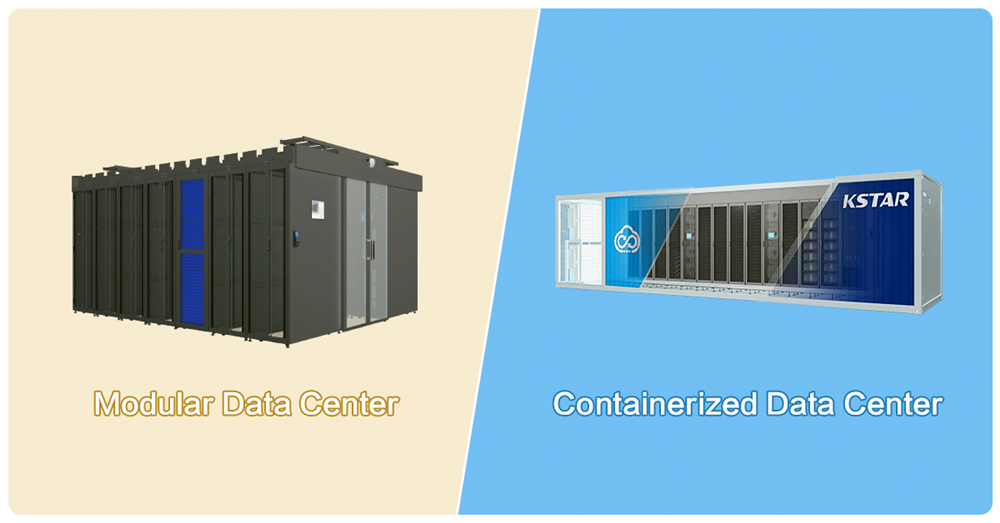
In recent years, terms such as integrated data center, containerized data center, and modular data center have become increasingly common. These all refer to types of prefabricated data centers, although they differ in design and application. Containerized data centers (also known as portable modular data centers) and modular data centers are two major approaches to data center infrastructure construction.
Definition of a Containerized Data Center
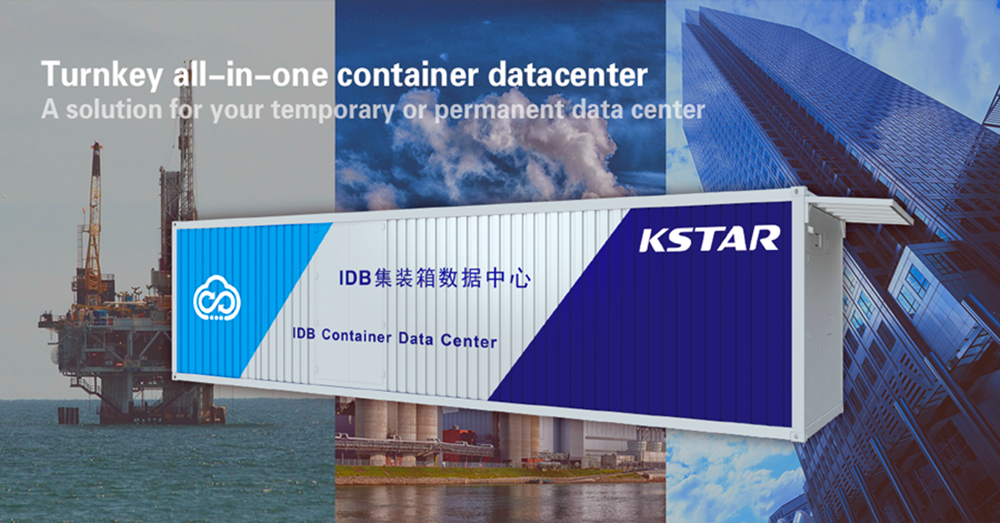
A containerized data center is manufactured in a factory and shipped to the end user in a container. Solutions range from basic IT containers to fully integrated systems that incorporate the entire physical IT infrastructure, including server racks, temperature control, power supply with a high-capacity UPS system, monitoring, and fire protection.
Pros and Cons of Containerized Data Centers
Containerized data centers can save valuable floor space. Their dustproof, waterproof, and shock-resistant construction makes them suitable for harsh outdoor environments and underused spaces such as parking garages. They are also compact and can be transported from one location to another.
North America holds the largest share of the global containerized data center market. However, as customers increasingly demand greater flexibility and customization, many are turning to modular data center solutions. Containerized data centers face limitations in expansion space and computing capacity, which can affect their competitiveness.
Definition of a Modular Data Center
Modular data centers are installed on-site, much like traditional data centers, but their all-in-one design helps save space. Each component is housed in an independent enclosure containing equipment such as air conditioning, power distribution units (PDUs), and fire protection systems. Vendors design and manufacture these components in their factories based on customer-approved specifications. Modular data centers (MDCs) can be built from prefabricated modular blocks that are assembled and factory-tested before delivery. They offer scalable infrastructure and shorter delivery times than traditional brick-and-mortar construction.
For small modular data centers with fewer than 10 cabinets and a total IT load below 40 kVA, a closed cold-aisle and hot-aisle containment design is used. This configuration offers excellent compatibility, high cooling capacity utilisation, and energy efficiency. For medium-sized data centers, closed cold-aisle containment, closed hot-aisle containment, or full cold- and hot-aisle containment can be selected. Variable-speed, energy-efficient in-row air conditioners are recommended to eliminate local hot spots, increase the load capacity of individual IT cabinets, separate hot and cold air, and reduce energy consumption. These cooling designs help improve the overall energy efficiency of modular data centers.
Differences Between Containerized and Modular Data Centers
Compared with containerized data centers, modular data centers are not subject to the same limitations on the number of server racks or total IT load capacity. Their more spacious layouts also make maintenance easier for engineers than working in narrow containers. In addition, modular designs can offer a safer working environment.
Thanks to their flexibility, convenience, and ease of expansion, modular data centers are widely used by internet companies. In particular, many internet companies rent individual cabinets in operators' data center facilities to support their own business operations.
Standalone data center facilities are also being adopted rapidly by enterprises seeking to improve operational efficiency. In 2019, standalone facilities accounted for more than 70% of China's modular data center market and were expected to grow by 17% through 2026 (Source: Modular Data Center Market Size & Share - Global Report 2026).
Recommended Product
KSTAR's micro modular data center IDU is a new-generation alternative to traditional small IT rooms. It integrates fire protection, dynamic environment monitoring, power supply and distribution systems, battery cooling, cabinets, and containment. Its hot- and cold-aisle isolation design helps reduce PUE to 1.3.
Designed to meet the infrastructure optimisation needs of IT rooms, this solution is suitable for small and medium-sized enterprises, microenterprises, large enterprises, and government organisations, as well as branches in the finance, education, and energy sectors. Forward-looking enterprises recognise that intelligent, single-cabinet IT rooms with high reliability and availability are an emerging trend, offering benefits in both short-term investment and long-term operating costs.
View more about KSTAR modular data center solutions
To request the KSTAR containerized data center solution brochure, please contact sales@kstar.com.
